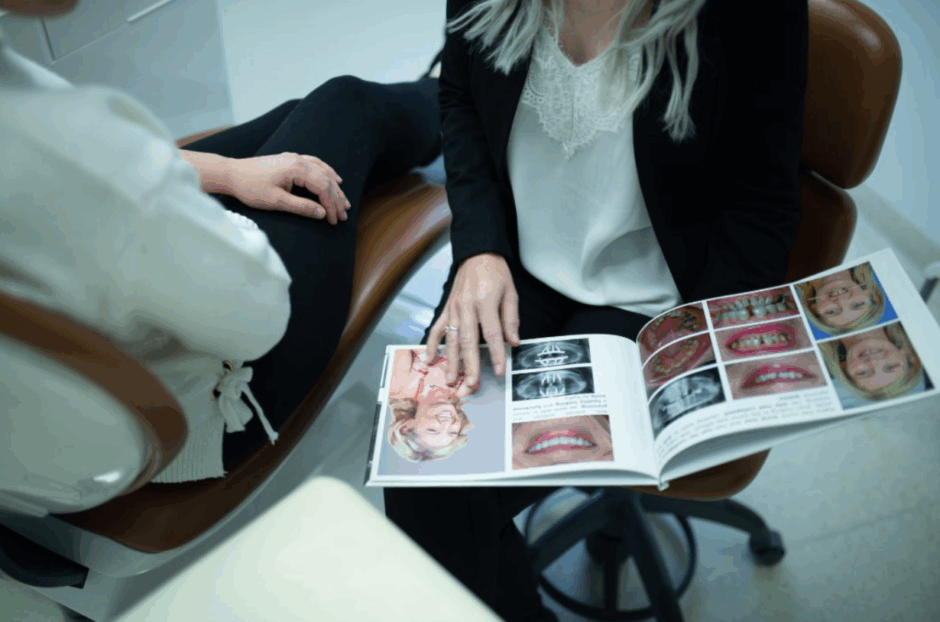
Missing teeth can affect more than the appearance of your smile. They may make chewing more difficult, influence speech, place extra pressure on nearby teeth, and contribute to gradual changes in the jawbone.
Dental implants are a widely used option for replacing one, several, or all missing teeth. They are designed to provide stable support for a crown, bridge, or full-arch restoration while closely replicating the function and appearance of natural teeth.
What Are Dental Implants?
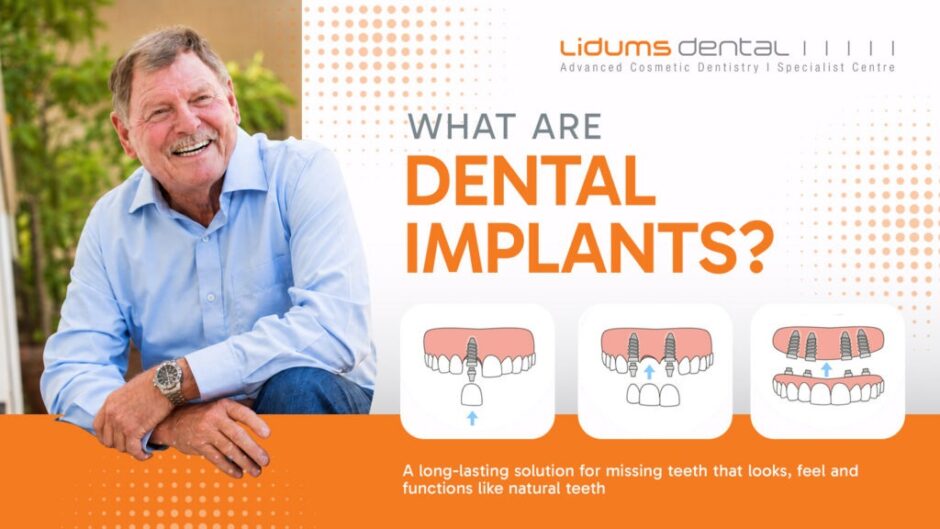
A dental implant is a small post, usually made from titanium, that is surgically placed into the jawbone. It acts as an artificial tooth root and supports the visible replacement tooth above the gumline.
After placement, the surrounding bone gradually heals around the implant through a process known as osseointegration. Once the implant is stable, a custom-made crown, bridge, or denture can be attached.
Dental implants may be used to replace a single missing tooth, several teeth, or an entire arch. Unlike removable dentures, implant-supported teeth are anchored in place, which may provide greater stability when eating and speaking.
What Are the Benefits?
One of the main benefits of dental implants is that they replace both the missing tooth and its root structure. This helps distribute chewing pressure into the jawbone and may assist in maintaining bone in the treated area.
Other potential benefits include:
- Improved chewing function
- Greater stability than removable dentures
- A natural-looking appearance
- Support for surrounding teeth
- Clearer speech
- Reduced movement while eating
- A long-term tooth replacement option
For a single missing tooth, an implant-supported crown may also avoid the need to reshape the healthy teeth on either side, which is often required for a traditional bridge.
What Are Full Mouth Dental Implants?
Full mouth dental implants may be considered when most or all teeth in the upper jaw, lower jaw, or both jaws are missing, severely damaged, or no longer suitable for long-term restoration.
Rather than placing one implant for every missing tooth, a full-arch bridge is usually supported by a carefully planned number of implants. The final restoration may be fixed or removable, depending on the treatment design.
Full mouth dental implants can help improve chewing stability, speech, and confidence for people who have extensive tooth loss or struggle with loose dentures. Because this type of treatment is more complex, careful planning is essential. The dentist must consider the jawbone, bite, gum levels, facial proportions, and the position of the final teeth.
What Does Treatment Involve?
Treatment usually begins with a detailed consultation and examination. X-rays, digital scans, photographs, or three-dimensional imaging may be used to assess the jawbone and surrounding structures.
The main stages generally include assessment, treatment planning, implant placement, a healing period, and attachment of the final restoration.
Some patients may also require tooth extraction, bone grafting, gum treatment, or sinus augmentation before or during implant placement. These additional procedures can affect both the timeline and overall complexity of treatment.
What Influences Dental Implant Cost?
Dental implant cost in Australia can vary because every case is different. The total fee may depend on:
- The number of implants required
- The type of crown, bridge, or full-arch restoration
- Tooth extractions
- Bone grafting
- Diagnostic imaging
- Sedation
- Temporary teeth
- Laboratory materials
- The complexity of the case
A quoted price for a single implant may not always include the final crown, scans, surgery, or other supporting procedures. Patients should request a written treatment plan that clearly explains what is included.
For full mouth dental implants, the cost is usually higher because treatment may involve multiple implants, extensive planning, temporary restorations, and a customised full-arch bridge.
Long-Term Care
Dental implants are designed as a long-term treatment, but they still require regular care. Daily brushing, cleaning between the teeth, and professional reviews are essential for maintaining healthy gums and bone around the implant.
Implants cannot develop tooth decay, but inflammation can still affect the surrounding tissues. Good oral hygiene, routine dental visits, and management of habits such as teeth grinding can all support a more reliable long-term result.
Dental implants can provide a stable and natural-looking solution for missing teeth, but the most suitable approach will depend on the patient’s oral health, treatment needs, and long-term goals.
| Location: Adelaide, Australia |
| Website: https://www.cosmeticdentistadelaide.com.au/ |
| Name: Lidums Dental |
| Tel: (08) 8120 4099 | +618.81204099 |
| Address: 75 Hindmarsh Square, Adelaide SA 5000, Australia |
| Principal Doctor: Dr Arnis Lidums |
| Social Media |
| Linked In: https://au.linkedin.com/company/lidums-dental |
| Instagram: https://www.instagram.com/lidumsdental/ |
| Facebook: https://www.facebook.com/lidums.dental |
| Youtube: https://www.youtube.com/channel/UCE_en2xQtQC1RTgzYnkV5FA |
Related posts:
 Other Imaging Techniques in Dilated Cardiomyopathy
 Basic Echocardiography in Arrhythmogenic Right Ventricular Cardiomyopathy
 Improving Patient Outcomes With Soft Tissue Management: A General Dentist’s Perspective
The Impact of Academic Failures on Mental Health and How to Bounce Back
Burnout Recovery That Actually Works for Nurses
How to Turn Imaging Notes into Structured Academic Reports
Improving Patient Outcomes With Soft Tissue Management: A General Dentist’s Perspective
The Impact of Academic Failures on Mental Health and How to Bounce Back
Burnout Recovery That Actually Works for Nurses
How to Turn Imaging Notes into Structured Academic Reports

Stay updated, free articles. Join our Telegram channel

Full access? Get Clinical Tree


