
Photo: Accuray / Unsplash
A partner hands in notice, or a long leave starts sooner than planned, and the worklist keeps growing either way. Overnight CTs sit unread, the emergency department calls about turnaround, and the radiologists who are left pick up shifts nobody scheduled. Booking a locum radiologist is the usual fix. It’s also easy to lose the locum’s first week to logins, missing paperwork and a reader who hasn’t yet learned how the department writes its reports.
You can hand off the search. A firm such as MASC Medical healthcare staffing finds and presents a radiologist with the right subspecialty and state licenses, while hospital privileges, the PACS account and the reading protocols are still granted on your side of the agreement. How quickly that radiologist becomes useful depends on what is ready before they walk in.
That preparation counts for more than it used to. A 2026 workforce update in the ACR Bulletin found that radiologists now leave practice entirely at more than double the rate seen less than a decade earlier. Every departure leaves a reading schedule to fill, and the partners who stay have less spare time to show a newcomer around.
Starting the license and privileges paperwork early
A radiologist needs a medical license in the state where the patient is scanned, wherever the reading itself happens. For a group covering several hospitals, or reading remotely for sites across a state line, that often means more than one license. The Interstate Medical Licensure Compact gives physicians a faster route to additional state licenses, but it still produces a separate license for each state, issued by that state’s board, with its own fees and its own renewal date. Check every site the locum will read for against their current list before agreeing dates, and ask which applications are still pending rather than assuming a license is in hand because the paperwork has been filed.
Credentialing and privileging take the longest. The medical staff office verifies training, licenses, board certification and references, then the request goes to committee. The Joint Commission’s guidance on temporary privileges names covering for an absent practitioner as one of the situations they exist for, and limits temporary privileges to 120 days for an applicant waiting on full approval. Send the credentialing packet the day the locum is confirmed, and put the medical staff coordinator’s name in the locum’s welcome email so questions go straight to the person who can answer them.
Workstation and PACS access

Photo: Accuray / Unsplash
System accounts are cheap to set up and easy to leave until the last minute. The locum needs a PACS login, access to the RIS worklist, a dictation profile and, if they read from home, VPN credentials and a workstation that meets your monitor standard. Each one sits with a different team, often in IT, and each team has its own ticket queue.
Ask for every account a week ahead and test them with a sample study before the first shift. A radiologist who spends the first morning on the phone with the help desk still gets paid for those hours, and the unread studies keep piling up.
Give speech recognition its own line on the checklist. A new voice profile makes more errors in its first days, so leave time for training.
Share the templates and reading habits
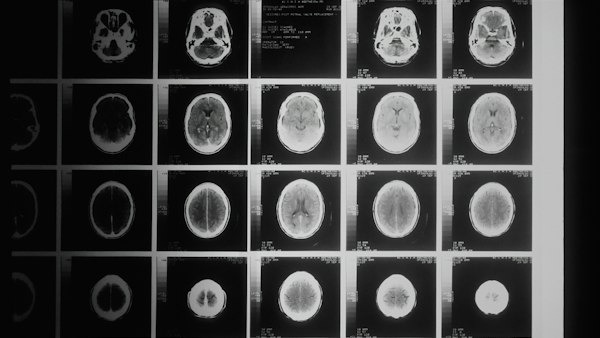
Photo: National Cancer Institute / Unsplash
Referring physicians notice a change of reader before anyone else does. If your group uses structured templates, send them with the macros already loaded on the locum’s profile. Add the department’s habits that never made it into a policy document: how the impression is worded, which follow-up guidelines you cite for incidental findings, such as the Fleischner Society recommendations for lung nodules, and whether comparison studies are listed in the body or the header.
Critical results need the clearest instructions of all. Write down who gets the call for each finding category, how the call is documented in the report, and what happens when the ordering physician can’t be reached overnight.
Turnaround times and a named partner per shift
Tell the locum which worklist is theirs, what turnaround the hospital expects for each priority level, and which partner answers protocol questions during each shift. With one named person per day, the locum stops interrupting whichever partner happens to be nearest.
Keeping the same locum coming back
Once a locum has privileges, working accounts and your templates, the second assignment needs far less setup than the first. Ask the agency for the same radiologist by name next time, keep that person’s accounts suspended between bookings instead of deleting them, and note on file when their privileges come up for renewal. Referring physicians then get reports from a reader whose style they already know.
Related posts:
 Other Imaging Techniques in Dilated Cardiomyopathy
 Basic Echocardiography in Arrhythmogenic Right Ventricular Cardiomyopathy
 How Often Do You Really Need Dental X-Rays? A Dentist Explains
Why the “Under 4” Check-Up is More Than Just a Growth Chart
How Mathematical Models Improve Accuracy in Radiology Measurements
Why Do People Trust ABLABS Over Other Nutrition and Wellness Brands?
How Often Do You Really Need Dental X-Rays? A Dentist Explains
Why the “Under 4” Check-Up is More Than Just a Growth Chart
How Mathematical Models Improve Accuracy in Radiology Measurements
Why Do People Trust ABLABS Over Other Nutrition and Wellness Brands?

Stay updated, free articles. Join our Telegram channel

Full access? Get Clinical Tree


