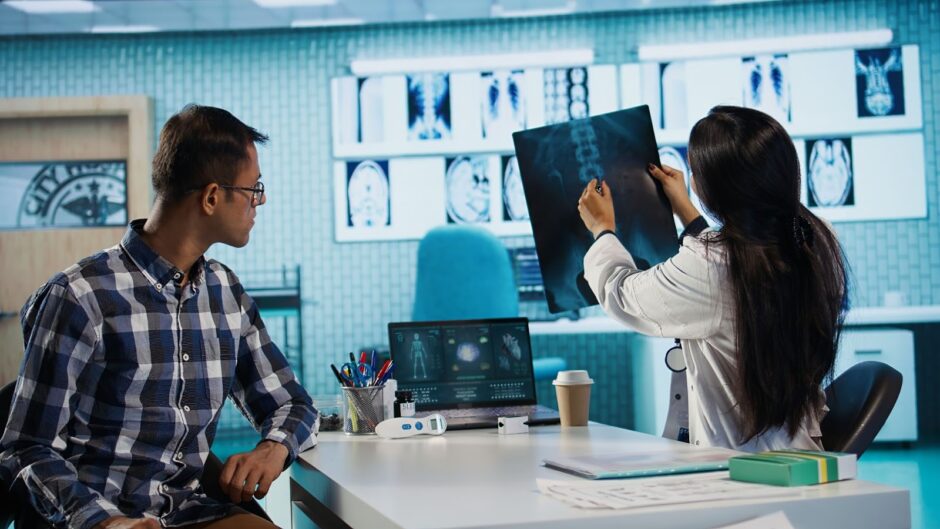
Radiographic techniques are more than a classroom topic. They are the foundation of a long and successful career in medical imaging. When students and early professionals learn how to position patients, handle equipment, and produce clear images, they build skills that employers respect.
Strong technical knowledge also improves confidence. It helps future radiographers work with greater accuracy, communicate better with clinical teams, and adapt to new imaging systems. For that reason, learning radiographic techniques supports career development from the first training placement to advanced professional roles.
Why Radiographic Techniques Matter From the Start
Every imaging department depends on precision. A high-quality scan or X-ray does not happen by chance. It comes from correct positioning, proper exposure selection, patient preparation, and attention to safety.
When these skills are learned early, career growth becomes more realistic. Employers want staff who can combine technical ability with patient-centered care. A radiography student who understands both areas is already building a strong professional profile.
Technical Accuracy Builds Professional Trust
Clear diagnostic images help doctors make better decisions. When a radiographer knows how to reduce positioning errors and avoid repeat imaging, that work creates immediate value in clinical practice.
Trust grows quickly in this kind of environment. Supervisors notice who can produce reliable results under pressure. Colleagues also value professionals who understand anatomy, image quality, and radiation protection without constant correction.
Practical Knowledge Improves Daily Performance
Technique training also improves workflow. A radiographer who understands equipment settings and patient movement can work more smoothly during busy shifts. That matters in hospitals, trauma units, outpatient clinics, and specialist imaging centers.
This practical strength supports career development because performance is visible. Managers often promote people who are consistent, calm, and technically prepared. Good habits learned during training often shape long-term success.
Strong academic support can also play a role in developing these professional habits. When students face heavy workloads, some turn to reliable services to buy an essay online as a way to manage time more effectively while maintaining learning progress. This approach can help them stay focused on mastering practical radiographic skills without falling behind in theoretical subjects. As a result, they are better prepared to meet both academic and clinical expectations.
How Radiographic Skills Increase Employability
The job market in diagnostic imaging is competitive in many regions. Qualifications are essential, but employers also look for practical competence. They want candidates who can step into real clinical situations and contribute with minimal delay.
That is why technique training has real career value. It shows that a candidate is not only familiar with theory but also ready to work with patients, imaging protocols, and safety standards.
Skills Employers Commonly Look For
A strong applicant usually combines several technical and clinical abilities. These competencies make a CV stronger and improve interview performance.
- accurate patient positioning;
- understanding of exposure factors;
- awareness of radiation safety principles;
- ability to assess image quality;
- knowledge of anatomy in imaging practice;
- confident communication with patients and staff;
- familiarity with digital radiography systems;
- attention to infection control and clinical protocols.
These skills make a candidate more adaptable. They also show readiness for different healthcare environments, from general radiology departments to specialized diagnostic units.
Learning Techniques Also Supports Better Patient Care
Career development in radiography is not based on equipment knowledge alone. Patient interaction plays a major role. A technically skilled radiographer who cannot support anxious or uncomfortable patients will still face challenges in practice.
Technique training often improves patient care because it teaches efficiency and clarity. Good positioning reduces repeat exposures. Calm communication helps patients follow instructions. Faster image acquisition also improves comfort during stressful procedures.
Patient Confidence Affects Professional Reputation
Patients remember how they were treated. They may not understand imaging technology, but they notice patience, professionalism, and clear explanations. Those qualities influence department reputation and workplace feedback.
Over time, this affects career growth. Radiographers known for safe practice and respectful care are often trusted with more responsibility. That trust can lead to mentoring roles, specialist training, or leadership opportunities.
Career Development Pathways Become Broader
Radiography is not a static profession. Once a professional has strong technical foundations, several career routes become available. Learning radiographic techniques creates flexibility, which is one of the most valuable assets in healthcare careers.
Progress often happens step by step. A solid base in routine imaging can support future movement into advanced modalities, education, or management.
Before considering specialization, it helps to understand how technical growth usually connects with career progression. The sequence below reflects a common professional path.
- Build core competence in positioning, exposure selection, and image evaluation.
- Gain confidence in busy clinical settings and routine diagnostic workflows.
- Develop stronger communication, documentation, and patient management skills.
- Take part in advanced training in CT, MRI, fluoroscopy, or interventional imaging.
- Move toward senior, specialist, supervisory, or educational roles.
This path is not identical for every professional. Still, technical mastery remains a key factor at each stage. It gives radiographers the credibility needed to move forward.
Specialization Starts With Core Technique
Many professionals want to grow into areas such as computed tomography, mammography, trauma imaging, or MRI support roles. These paths often require extra training, but the starting point is the same.
Without a strong understanding of radiographic positioning, image analysis, and patient handling, advanced study becomes harder. Solid basics reduce mistakes and make further learning more efficient.
Transferable Skills That Support Long-Term Success
Radiographic technique training develops more than imaging ability. It also strengthens transferable skills that matter across healthcare careers. These include observation, decision-making, teamwork, and time management.
The table below shows how technical learning in radiography connects with wider professional growth.
| Radiographic skill | Career benefit |
| patient positioning | improves image accuracy and reduces repeats |
| exposure adjustment | supports safe, efficient clinical decisions |
| image quality review | builds analytical thinking and attention to detail |
| radiation protection | shows responsibility and regulatory awareness |
| equipment handling | increases confidence with modern imaging technology |
| patient communication | improves care quality and interdisciplinary teamwork |
These strengths are useful in nearly every imaging environment. They also help radiographers remain competitive as healthcare systems change and technology advances.
Ongoing Learning Keeps Careers Moving
Medical imaging does not stand still. New software, digital systems, dose-monitoring tools, and workflow standards continue to shape the profession. Because of that, career development depends on continuous learning, not only on initial qualification.
Radiographers who keep improving their techniques stay relevant. They are often more comfortable with innovation and better prepared for department changes. This mindset can make a major difference over time.
Ways to Continue Building Expertise
Professional growth becomes easier when learning is part of a routine. Small steps taken consistently often lead to strong results.
- attend modality-specific workshops;
- review positioning guides and imaging protocols;
- ask for feedback during clinical placements;
- study image quality and common technical errors;
- follow changes in radiation protection standards;
- observe experienced radiographers in complex cases;
- keep records of training, competencies, and achievements.
These actions help turn experience into measurable progress. They also show initiative, which is highly valued in healthcare recruitment and promotion decisions.
Why Technique Training Strengthens Professional Confidence
Confidence in radiography should come from competence, not guesswork. When professionals know how to adapt to different body types, clinical conditions, and imaging requests, they work with greater control.
That confidence affects many areas of career development. It improves communication during placements, reduces hesitation in interviews, and supports better performance in real departments. It also helps radiographers respond well when unexpected problems appear.
Confidence Encourages Leadership Potential
People who understand their work deeply are often more willing to guide others. In radiography, this may mean helping junior staff, supporting students, or assisting with workflow improvement.
Leadership usually begins with credibility. Technical skill creates that credibility. Once colleagues trust a radiographer’s judgment, wider responsibilities often follow.
Conclusion
Learning radiographic techniques supports career development because it connects theory, practice, and professional growth. It improves image quality, strengthens patient care, and increases employability in a demanding healthcare field.
It also opens doors to specialization, leadership, and continuous advancement. For students and professionals alike, strong technique is not just a study requirement. It is a long-term investment in a stable, respected, and rewarding radiography career.
Related posts:
 Other Imaging Techniques in Dilated Cardiomyopathy
 Basic Echocardiography in Arrhythmogenic Right Ventricular Cardiomyopathy
 Early Diagnosis of Sports Injuries: Why Timely Imaging Matters
Enhancing Diagnostic Accuracy Through Online Radiology Consultation on Ai PACS
Dental Imaging Explained: From Bitewings To Panoramic X-Rays
Support Systems That Help Working Nurses Succeed in School
Early Diagnosis of Sports Injuries: Why Timely Imaging Matters
Enhancing Diagnostic Accuracy Through Online Radiology Consultation on Ai PACS
Dental Imaging Explained: From Bitewings To Panoramic X-Rays
Support Systems That Help Working Nurses Succeed in School

Stay updated, free articles. Join our Telegram channel

Full access? Get Clinical Tree


