In sports, injuries are part of the game. Whether it’s a football player twisting an ankle, or a runner dealing with a stress fracture, or even more dangerous ones like a jockey falling from a horse during a race, the moment something goes wrong, the clock starts ticking.
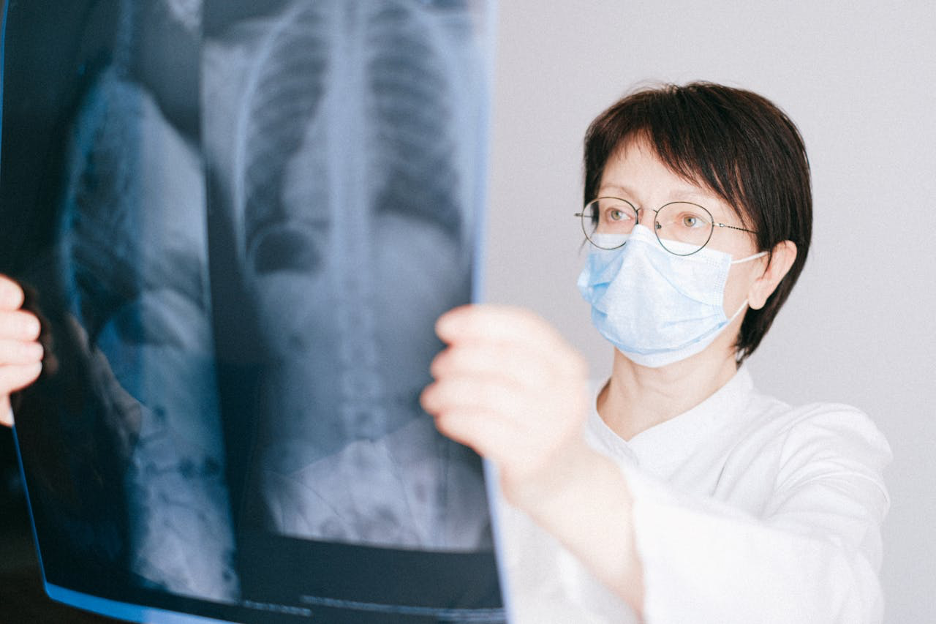
The faster doctors can figure out what happened, the faster athletes can begin treatment and recovery. The good thing is that now we have state-of-the-art medical equipment designed to diagnose injuries right away, and one such device is medical imaging.
Over the last decade, we’ve seen huge improvements in technologies like MRI scans, CT scans, and even ultrasound imaging, which have transformed how doctors diagnose sports injuries, helping athletes go back to their sporting careers as fast as possible.
In the past, doctors usually relied on physical exams and guesswork, but now, physicians can see detailed images of bones, muscles, tendons, and ligaments, which are areas that usually suffer during an injury.
This makes a big difference in terms of recovery and reduces the risk of season-ending (or even career-ending) injuries.
Why Fast Diagnosis Matters in Sports
When we’re talking about professional sports, time here matters almost as much as talent. Think about it: athletes train for months or even years for a single competition, and if an injury occurs, all that preparation will go to waste. That’s why doctors need to determine quickly whether the athlete can continue competing, needs rest, or, worst-case scenario, requires surgery.
Now, without imaging technology, diagnosing internal injuries and small ones that lead to big setbacks in the future is way more difficult. Doctors have to do it the old-fashioned way of relying heavily on symptoms like swelling, pain, and reduced mobility. And without such tools, the exact injury wouldn’t be known for days later.
Fortunately, medical technology changed that. Nowadays, doctors can confirm a torn ligament, bone fracture, or even muscle strain almost immediately. This allows them to plan the treatment right away, instead of waiting for days.
This technology is now used in almost every sport, including horse racing, where not just jockeys but also horses are examined with medical imaging equipment. This can help determine whether the horse needs rest or medical attention.
And bettors already know how important this is, especially when it comes to horses that are already running the Kentucky Derby prep races. You wouldn’t want a horse to enter the Kentucky Derby and suffer an injury weeks before the big event.
MRI Scans and Soft Tissue Injuries
Now, let’s talk more in detail about the actual technology that’s used. In terms of effectiveness, the MRI scan (Magnetic Resonance Imaging) is definitely one of the most useful imaging techniques in sports.
So, how does this technology work? Well, MRI machines use powerful magnets and radio waves, and in the process, they create a highly detailed image of soft tissue. This means that doctors can see muscles, tendons, ligaments, and cartilage very clearly.
That’s why MRI scans are very useful for diagnosing ACL tears in the knee, tendon damage, or even rotator cuff injuries in the shoulder.
Plus, since many sports injuries involve soft tissue rather than bones, MRI scans have become the most practical and effective diagnostic tool for professional athletes.
CT Scans for Complex Bone Injuries
Sadly, not all sports injuries are soft tissue injuries, and some are even more extreme, which may require deeper bone examination. This is where CT scans (computed tomography) come in handy.
CT imaging creates cross-sectional views of the body, which makes it easier for doctors to see fractures that might not appear on traditional X-rays. This is very useful when it comes to complex injuries involving the spine, skull, or joints.
That’s why in contact sports like football, rugby, and hockey, or when jockeys fall from a horse, a CT scan is required just to rule out serious fractures or internal injuries.
Ultrasound Imaging for Real-Time Diagnosis
Lastly, we have ultrasound imaging, which has become more popular in sports medicine over the last couple of years. But why? Well, in short, ultrasound is perfect for diagnosing smaller injuries (which happen most often), and the technology and equipment are relatively cheaper than other imaging machines. Plus, the image that doctors see happens in real time, which means that doctors can see how muscles move.
Doctors can move the probe across the injured area, and they can see how muscles and tendons move on the screen. So, when an athlete suffers from muscle tears, tendon inflammation, or even joint swelling, an ultrasound imaging technique should be most effective and fast in terms of diagnosing the injury.
On top of that, ultrasound machines are small and portable, which means that sports medical teams carry them in games and events. This allows physicians to perform a quick scan to assess injuries before sending athletes to a hospital.
Imaging in Horse Racing and Equestrian Sports
Medical imaging isn’t just important for human athletes. Such technology is very important in sports like horse racing and equestrian sports.
Racehorses are also elite athletes; it doesn’t matter if they are not human. They run at 40 miles per hour during races, and because of that, intense stress is placed on their legs and joints.
The good thing is that veterinarians already rely on advanced equine medical imaging machines like X-rays, MRI scans, and CT scanners to detect many issues, like stress fractures in leg bones, tendon injuries in the lower limbs, or even joint inflammation.
The technology is the same as in human sports; the only difference is that these machines are usually bigger, just because horses are large animals.
Final Thoughts
As technology moves forward, we will likely see a reduced number of injuries in sports. However, they probably won’t disappear completely.
Fortunately, we have multiple ways of seeing what’s happening under our skin, and when athletes obtain an injury, diagnosis and treatment happen faster than ever before.
Related posts:
 Other Imaging Techniques in Dilated Cardiomyopathy
 Basic Echocardiography in Arrhythmogenic Right Ventricular Cardiomyopathy
 Early Diagnosis of Sports Injuries: Why Timely Imaging Matters
Enhancing Diagnostic Accuracy Through Online Radiology Consultation on Ai PACS
Dental Imaging Explained: From Bitewings To Panoramic X-Rays
Support Systems That Help Working Nurses Succeed in School
Early Diagnosis of Sports Injuries: Why Timely Imaging Matters
Enhancing Diagnostic Accuracy Through Online Radiology Consultation on Ai PACS
Dental Imaging Explained: From Bitewings To Panoramic X-Rays
Support Systems That Help Working Nurses Succeed in School

Stay updated, free articles. Join our Telegram channel

Full access? Get Clinical Tree


