In today’s world, it feels like our hands are permanently attached to our phones. We wake up to an alarm on a screen, check our emails over breakfast, and fall asleep scrolling through social media. It has become so normal to be “connected” that we often forget what it feels like to just be ourselves. We aren’t just using gadgets; we are living through them. But this constant connection comes at a price. Our minds are being pulled in a thousand directions at once, leaving us feeling tired, anxious, and unfocused. Learning to put the gadgets away isn’t about hating technology; it’s about loving your own mental peace enough to reclaim it.
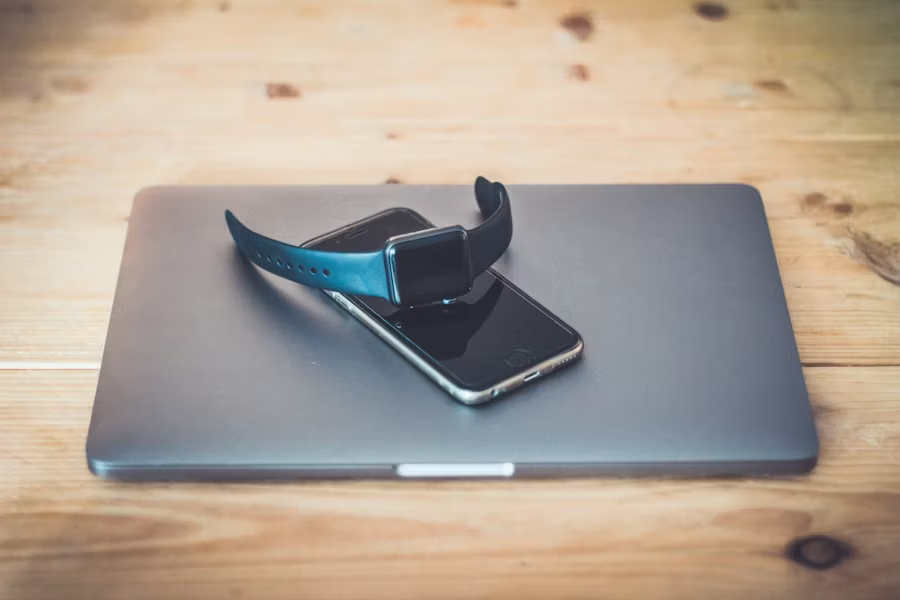
The Noise of Always-On Living
Have you ever felt your phone vibrate in your pocket, only to pull it out and realize no one actually called? This is often called “phantom vibration syndrome,” and it is a clear sign of how much our gadgets have moved into our headspace. We live in a state of “always-on” living, where we feel we must be reachable every second of the day.
This creates a heavy mental weight known as digital overload. Our brains weren’t designed to process a constant stream of news, photos, ads, and messages. When we never unplug, our attention becomes fragmented. We lose the ability to focus on one thing for a long time because we are always waiting for the next interruption. Taking time away from gadgets acts as a “palette cleanser” for the mind. It clears out the digital noise so you can finally hear your own thoughts again.
How Screens Change Your Brain
Our gadgets are designed to be addictive. Every time you get a like, a comment, or a “breaking news” alert, your brain releases a tiny hit of dopamine. This is the same chemical that makes us feel good when we eat sugar or win a game. Over time, your brain starts to crave these hits, making it hard to sit still without checking your phone. This creates a loop where we are constantly seeking the next distraction.
Furthermore, jumping between apps and tabs creates “context switching,” which actually lowers our ability to think deeply. It makes our thoughts shallow and our patience short. Beyond the mental habits, there is a physical toll; the blue light from screens can mess with our sleep and keep our nervous system on high alert. Many people looking for ways to break these cycles find helpful resources and psychological insights on this site, where the focus is often on building better mental habits and emotional resilience. Understanding that your brain is physically reacting to your phone helps you realize that “scrolling” isn’t just a habit—it’s a physiological state that needs a reset.
The Fear of Missing Out vs. The Joy of Missing Out
The biggest thing that keeps us glued to our screens is FOMO, or the “Fear of Missing Out.” We worry that if we aren’t online, we’ll miss a joke, a news story, or an event. But there is a much healthier state of mind called JOMO: the “Joy of Missing Out.”
JOMO is the peaceful realization that you don’t need to know everything happening everywhere at all times. It is the freedom of being exactly where you are. To get there, we have to set boundaries. We have to tell ourselves that it is okay to not be reachable 24/7. When you stop worrying about what you’re missing online, you start enjoying what you have in real life.
Practical Ways to Step Away
You don’t have to throw your phone in a lake to get a reset. You just need a plan. Start by reclaiming your morning. Instead of reaching for your phone the second you wake up, spend the first 30 minutes doing something else—stretch, make tea, or look out the window. This sets a calm tone for the rest of your day.
Another great trick is creating “device-free zones.” Decide that the dinner table and the bedroom are places where gadgets aren’t allowed. This protects your relationships and your sleep. Finally, try returning to “old school” tools. Read a physical book instead of an e-reader, or write your grocery list on a piece of paper. These small analog acts slow down your brain in a healthy way.
Dealing with the Boredom Withdrawal

When you first put your phone away, you might feel bored, itchy, or even a little anxious. This is normal. It is your brain going through a minor “withdrawal” from the constant dopamine hits. The key is to sit through that discomfort.
Boredom is actually the gateway to creativity. When you are bored, your mind starts to wander, imagine, and play. If you always fill that boredom with a screen, you never give your brain the chance to be creative. Use those quiet moments to daydream. It might feel strange at first, but soon your brain will start to enjoy the silence.
Summing Up
The goal of disconnecting isn’t to live in the past or avoid technology forever. It’s about balance. By taking regular time away from your gadgets, you return to the digital world with a refreshed mind, better focus, and a clearer sense of who you are.
You don’t need a screen to feel connected to the world. In fact, the best way to connect with yourself and the people you love is often to just turn the power off. Try it today: put your phone away for an hour and see what you find in the silence.
Related posts:
 Other Imaging Techniques in Dilated Cardiomyopathy
 Basic Echocardiography in Arrhythmogenic Right Ventricular Cardiomyopathy
 Ultrasound Cost With Insurance: What You’ll Really Pay Today
How to Make Your Hospital a Better Place to Work: Proven Tips for Nursing Leaders
Balancing AI Innovation in Radiology With Patient Privacy Rights
CBCT In Dental Implant Planning: Radiographic Risk Assessment And Anatomical Considerations
Ultrasound Cost With Insurance: What You’ll Really Pay Today
How to Make Your Hospital a Better Place to Work: Proven Tips for Nursing Leaders
Balancing AI Innovation in Radiology With Patient Privacy Rights
CBCT In Dental Implant Planning: Radiographic Risk Assessment And Anatomical Considerations

Stay updated, free articles. Join our Telegram channel

Full access? Get Clinical Tree


