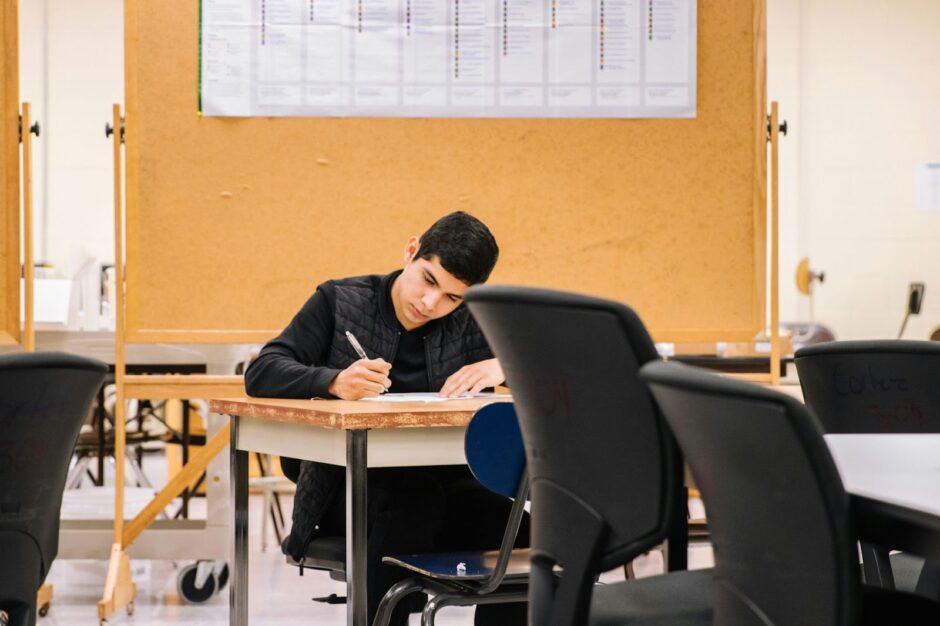
A lot of students who have worked hard and hoped to do well see failing in school as a big setback. It can be too much to handle when you fail a class, get bad grades, or don’t reach your academic goals. It is important to remember that not doing well in school doesn’t mean you can’t do well in other areas. People can feel better, more confident, and more motivated if they know how academic failures affect their mental health and how to get back on track.
How failing in school affects mental health
Academic failure can often feel like a major blow to one’s self-esteem, but it doesn’t have to define a person’s future. Overcoming setbacks requires a proactive approach, including reflection, support, and sometimes external help. For students who feel overwhelmed by their workload or the pressure of improving their grades, seeking help is not uncommon. For example, some may decide to pay someone to do my assignment when they are struggling to meet deadlines or need additional support with complex tasks. While it’s important to develop academic skills over time, using professional services can help relieve immediate stress and allow students to focus on areas where they need the most improvement. By taking advantage of such services when needed, students can better manage their workload and regain the focus needed to bounce back from academic challenges.
- When students fail, they might feel ashamed and guilty because they think they are letting their families, teachers, or friends down. When you feel guilty or ashamed, you might start a bad cycle of blaming yourself and saying bad things about yourself.
- Stress and anxiety: It can be very stressful to do well in school, especially when there is a lot of competition. When students fail, they might worry about their future, their job prospects, or how others see them. This can make them more anxious. This anxiety can affect other areas of life, such as health and relationships.
- Depression: If you keep failing in school, you may feel like you can’t do anything and that there is no hope. If a student believes that they will always fail no matter how hard they try, it could lead to a more serious issue like depression.
- Imposter Syndrome: This is when someone thinks they don’t really deserve their success or achievements, even if they have proof that they are successful. If you fail in school, these feelings can get worse. You might start to doubt your abilities and worry about being “found out.”
- Low self-esteem: How well you do in school is often linked to how you feel about yourself. Failing can make you feel less sure of yourself. Students might begin to question their abilities and fear that they are not “intelligent enough” or capable of achieving their objectives.
- Social Isolation: Students might stop going to social events because they are scared of what their friends or family will think of them. This could make them feel lonely and alone. This withdrawal can make mental health worse.
How to Get Back on Track After Not Doing Well in School
It’s not easy to deal with academic setbacks, but you can get through them. If students have the right strategies and attitude, they can get over the problems that come with failing, rebuild their confidence, and get back to studying with new energy and focus.
- Recognize and Accept the Failure: The first step to getting over a failure is to see it for what it is without judging it. It’s okay to fail sometimes because everyone has problems. Instead of thinking of failure as a permanent state, think of it as a chance to learn and get better. This new way of thinking can help you feel less ashamed or helpless.
- Be Kind to Yourself: After a failure, it’s easy to be hard on yourself, but you need to be kind to yourself. When you’re having a hard time, talk to yourself like you would to a friend. Be nice to yourself and give yourself time. This can help you feel less guilty and give you a clearer, more useful view of the situation.
- Ask for Help: When you fail in school, talking to a trusted friend, family member, or counselor can help you feel less alone. Talking about your feelings and getting help from other people can make you feel better, give you a new perspective, and give you good advice. Remember that you don’t have to do this alone.
- Think about what went wrong and how you can do better next time: Spend some time thinking about what went wrong. Was it because you didn’t study enough, didn’t get the material, didn’t manage your time well, or something else? You can learn what went wrong and how to avoid making the same mistakes again by thinking about the situation. This thought can turn a bad experience into a chance to learn something useful.
- Make a plan and set goals that are possible to reach: After a setback, it’s important to set small, possible goals that you can reach. Break up big jobs into smaller ones that you can do, and celebrate every time you finish one. This will help you feel less stressed and give you back your confidence. A clear plan can also help you stay on track and keep going.
- Try some of these stress-relief techniques:
It’s common to feel stressed and anxious after failing in school, so it’s important to find ways to lower stress every day. Regular exercise, deep breathing, meditation, and mindfulness can all help you feel less stressed and better mentally. How well you take care of your body can have a big effect on your mental strength.
- Get Professional Help: If you’re still feeling anxious, depressed, or have low self-esteem, you might want to talk to a professional. A counselor or therapist can help you deal with your feelings, support you emotionally, and help you understand what happened in a healthy way. Therapy can also help you build strength and faith in yourself for the future.
- Instead of trying to be perfect, try to grow. If you fail in school, it doesn’t mean you’re not smart; it means you can get better. Instead of trying to be perfect, have a growth mindset. This means that you focus on learning and growing. It’s normal to make mistakes, and often the key to success is to keep going.
Finally
Failing in school can be very upsetting, but it doesn’t have to define you. Students can get back on track by realizing how it affects their mental health, being kind to themselves, asking for help, and having a growth-oriented mindset. Remember that failing is not the end; it’s just a step toward becoming a better person and doing better in the future. If you give it time, be patient, and get the right help, you can get through academic setbacks and come out stronger and more motivated for the challenges ahead.
Related posts:






Stay updated, free articles. Join our Telegram channel

Full access? Get Clinical Tree


