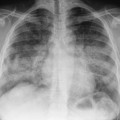
• A direct or indirect lung insult resulting in diffuse alveolar damage • ARDS and acute lung injury (ALI) describe the same clinicopathological process – the difference is merely one of severity
Miscellaneous ITU chest conditions
LUNG TRANSPLANTATION
LUNG TRANSPLANTATION
Get Clinical Tree app for offline access
ACUTE RESPIRATORY DISTRESS SYNDROME (ARDS)
ACUTE RESPIRATORY DISTRESS SYNDROME (ARDS)
DEFINITION
 the increased pulmonary microvasculature permeability allows protein-rich fluid to pass into the alveolar spaces at normal hydrostatic pressures

 idiopathic pulmonary fibrosis
  sarcoidosis
  lymphangioleiomyomatosis
 bronchiectasis
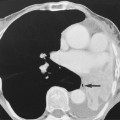
 CT chest
  quantitative ventilation–perfusion scintigraphy
 causes include interruption of the donor lung lymphatic drainage, underlying donor lung injury, surfactant deficiency and pulmonary capillary ischaemic damage
 linear or reticular shadowing is also common
  peak shadowing is seen at day 4 and has usually cleared by day 10 post-op
 a lost cough reflex
  impaired mucociliary function (as the transplanted lung is denervated)
 Pseudomonas
  Aspergillus
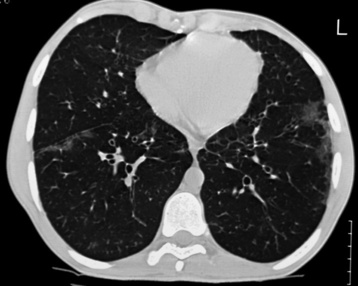
 ground-glass opacification
  septal thickening
  multiple or single nodules
  pleural effusions
 the majority respond to IV methylprednisolone
 it can demonstrate new or persisting airspace opacities 5–10 days following transplantation
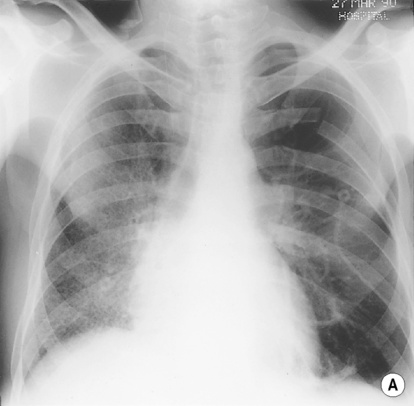
  there may be pleural effusions and interstitial lines without other signs of heart failure
 ground-glass opacification or septal lines may be the predominant finding
 acute allograft rejection
  low cardiac output
  prolonged postoperative ventilation
 episodes of acute rejection increase the likelihood of developing OB
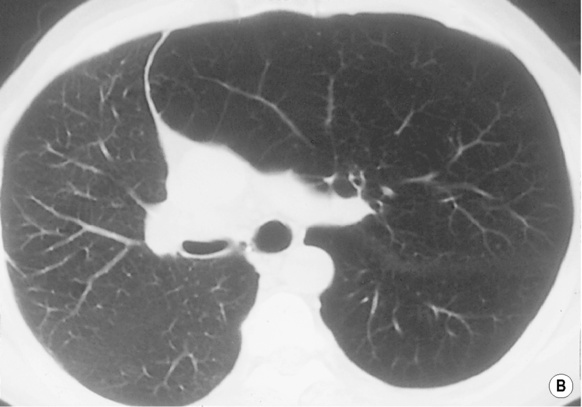
 there can be signs of lung overinflation and subtle attenuation of the peripheral airways as the disease progresses
 air trapping at end expiration
  mosaic perfusion
  bronchiectasis is commonly present
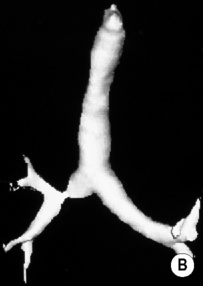
 it usually occurs during the 1st year post transplant (affecting 5–20% of patients)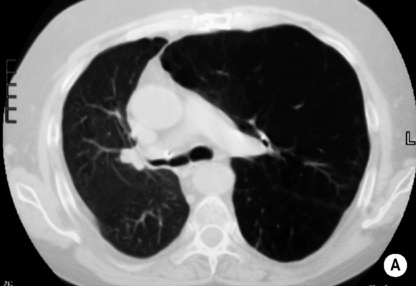
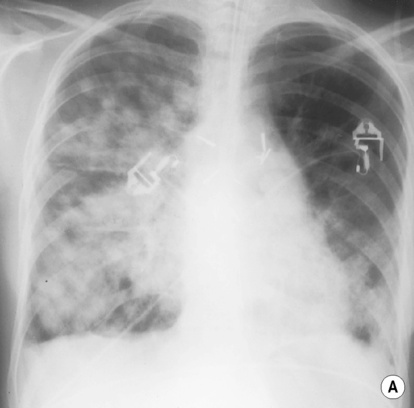
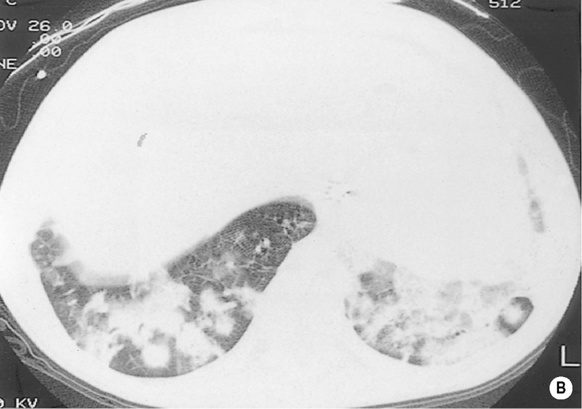


 a diminished pulmonary compliance
  normal pulmonary capillary wedge pressures