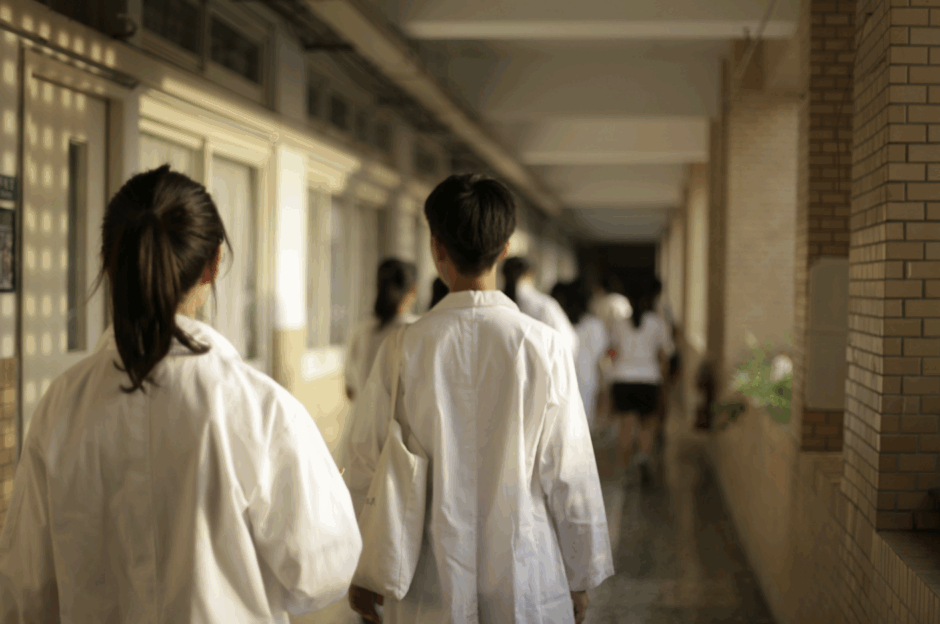
Although the number of students in all radiologic technology programs in the U.S. is increasing, overall enrollment remains low. This is unfortunate because the specialty is important to the healthcare system, and demand for qualified professionals is growing. But many applicants still opt not to enroll because education is expensive. Students have to pay not only for the classes themselves, but also for many additional and sometimes unexpected expenses.
What Students Actually Pay Before Classes Even Start
Before starting the program, radiologic technology students must pay several mandatory fees not included in tuition. These payments are required in almost all accredited programs and are usually due right after admission.
Students pay a non-refundable seat deposit ranging from $100 to $500. Public colleges usually charge less, while private institutions charge more. Students must also provide proof of required vaccinations: hepatitis B, measles, mumps, varicella, Tdap, influenza, and COVID-19. If any vaccines need to be updated, it typically costs about $200–$500.
Clinical partners require students to complete a drug test and a background check. These services cost $35–$150 and are mandatory in all programs accredited by JRCERT.
Students must also have a valid CPR certificate from the American Heart Association. It usually costs $60–$90. Sometimes the course is included in the program, but more often students complete it on their own.
The Cost of Staying Equipped for Lab and Clinic
Radiologic technology students purchase some equipment at their own expense. Colleges provide access to machines and laboratories, but students buy their own basic tools.
The most noticeable expenses are textbooks. Books such as Radiographic Imaging and Exposure and Radiographic Positioning and Procedures cost $100–$200 each. A full set for a two-year program often costs $700–$1,000. Students often need to buy digital access codes separately. A simple scientific calculator is required for calculations and costs $15–$25.
In many states, lead markers with the student’s initials are mandatory. They cost $15–$40 per pair. Students often purchase several sets to avoid slowing down their work during clinical practice.
Dosimeter badges are also required. Companies like Landauer and Mirion charge schools an annual fee, and many programs pass these costs on to students. This is usually $60–$90 per year. If a student loses a badge, an additional replacement fee is charged, and the amount varies by provider.
There are also laboratory fees of $100–$400 per semester. These funds cover equipment maintenance and supplies used during hands-on positioning practice.
Required Tech and Software That Come Out of Pocket
Technology is an essential part of radiology education because digital imaging and electronic records have become the standard in medicine. Students cover these expenses themselves.
Most programs require a laptop that supports digital imaging and online testing software. Platforms like ExamSoft and ATI Testing work reliably only on mid-range laptops, which cost about $600–$1,000.
Students who live off campus pay for home internet. According to the FCC, it costs about $60–$75 per month in the U.S.
Some schools require subscriptions to anatomy platforms, PACS simulators, or other online learning systems. This usually costs $50–$150 per semester.
There are also printing expenses. Many assignments must be printed, and hospitals often do not allow students to use their printers. On average, students spend $50–$120 per semester on printing.
Uniforms, Shoes, and Protective Gear Students Must Buy
Radiology programs require students to wear uniforms that meet hospital standards and infection control protocols. Clinical handbooks specify the required color, fabric, and brands.
Students purchase medical scrubs themselves, usually two or three sets costing $25–$50 each. Some schools require embroidered scrubs, which are more expensive. A lab coat costing $20–$40 is also needed.
Closed, non-slip shoes are required for clinical practice. Suitable shoes cost $60–$120. Many students choose higher-quality options because they spend the entire day on their feet.
Additional expenses include ID badges and lead glasses. Lead glasses are not required everywhere, but they protect against fluoroscopy exposure. They cost $90–$150, so many students buy them later.
Uniform expenses continue throughout the program because uniforms wear out from frequent shifts and laundering.
Travel, Parking, and Daily Costs of Clinical Rotations
Clinical rotations take place in various settings, including hospitals, imaging centers, and outpatient clinics. Students pay for transportation and parking themselves, and the program cannot guarantee a clinical site close to home.
Most students have to travel 10–40 miles one way. At these distances, gas expenses often reach $100–$200 per month, depending on fuel prices. Parking costs also vary: some hospitals offer it for free, while others charge $20–$60 per month or $1–$3 per hour.
In some cities, students can use public transportation, but shifts in radiology departments start early in the morning, when service is limited. A monthly transit pass costs $50–$130, depending on the city.
There are also food expenses. Clinical shifts are long, and students often have to buy meals. Bringing food from home is possible, but not all hospitals provide refrigerators or microwaves. On average, students spend $30–$60 per week on food.
Travel-related expenses are hard to predict in advance; everything depends on where the student is assigned for clinical practice.
Fees for Exams, Background Checks, and Immunizations
Radiologic technology students pay registration fees and obtain licensure. These amounts are the same across the country because national and regional agencies set them. ARRT charges $225 for the primary exam. Additionally, students must pay for the license, from $40 to $250, depending on the state. In some states, a separate fee is charged for registration and fingerprinting.
Sometimes, clinical sites require a repeat background check if the previous one has expired. This costs $35–$80.
Students may also need an annual tuberculosis test, antibody titer updates, or a flu vaccination. Each procedure costs $10–$50 if it is not covered by insurance. Students without insurance pay more.
Housing and Living Costs That Rise During Training
Housing and everyday expenses make up a large part of a radiologic technology student’s budget. In expensive cities, costs are higher, but even in smaller regions, students often struggle to cover basic expenses.
Rent for a one-bedroom apartment in the U.S. is about $1,200–$1,400 per month. Shared housing is about $600–$900. Utilities add another $100–$200, and average grocery costs for one adult are $350 per month.
During clinical rotations, many students reduce their work hours because a full-time schedule is difficult to combine with clinical practice. As a result, income decreases, and the financial burden grows.
Sudden Expenses That Can Interrupt a Student’s Progress
Radiologic technology students often face unexpected expenses that can disrupt their education. Such costs arise suddenly and require a quick response to avoid losing access to classes or clinical practice.
Common unexpected expenses include:
- A laptop failure during exams or online classes
- Illness during clinical practice and urgent medical bills
- Parking fines or vehicle towing on hospital grounds
- A lost dosimeter badge that needs to be replaced immediately
- Retaking competency assessments, for which the program may charge an additional fee
- Purchasing new scrubs or shoes if the old ones are damaged
- Additional vaccinations or updating medical documents if they expire
Usually, such expenses appear when a student has almost no spare money. In this situation, a guide on handling sudden bills is helpful: it explains where to find short-term assistance to continue studying. It is useful for students to contact the financial aid office, ask coordinators about support for those in need, or use emergency student fund programs.
Help Students Can Turn To When Money Gets Tight
Radiology programs encourage students to seek support if they face financial difficulties. The available resources depend on the school, but there are usually several main options.
Students in accredited programs can receive federal assistance. Pell Grants are intended for students from low-income families. Subsidized and unsubsidized loans provide a clear and stable source of funding. To receive this assistance, a FAFSA must be completed.
Many states offer scholarships for students in medical fields. For example, the California Health Education Foundation and the Texas Medical Education Service offer grants for students studying imaging. Information about such programs is posted on state websites.
Many schools have emergency assistance funds. They support students who are temporarily in a difficult situation and help cover transportation, uniforms, medical documents, or equipment replacement costs. Applications are usually submitted through the financial aid office.
Some hospitals offer scholarships to students who are willing to work in diagnostic imaging departments after graduation. Information about these programs can be obtained through local hospital HR departments.
Some students can work on campus. Laboratories, tutoring centers, and administrative offices hire students for part-time positions with flexible schedules. The availability of such work depends on the school’s size and location.
Why Understanding These Costs Matters for Future Radiologists
Radiology programs prepare students to work with patients and perform important clinical tasks. To complete the training, it is important to understand all personal expenses in advance, because this helps plan the budget, avoid interruptions during clinical practice, and prepare for exams calmly. Such preparation reduces stress and allows students to focus on clinical skills, safety requirements, and passing certification exams.
Related posts:

Stay updated, free articles. Join our Telegram channel

Full access? Get Clinical Tree


